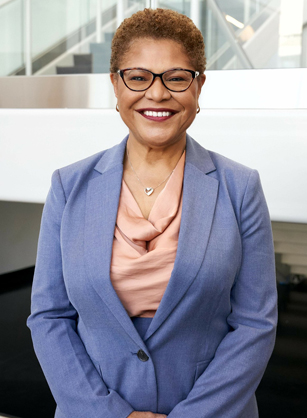
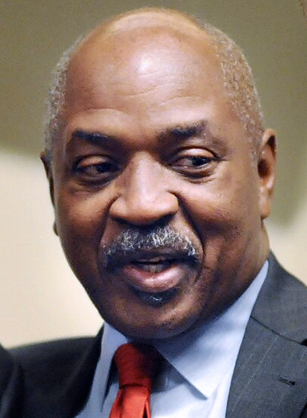
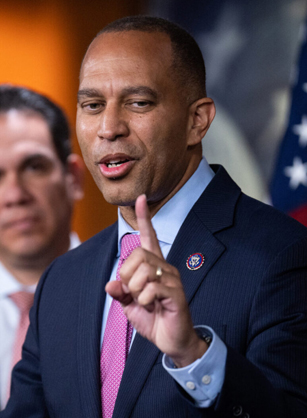
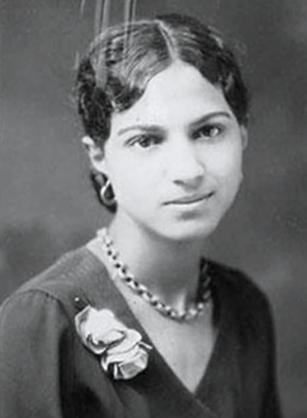
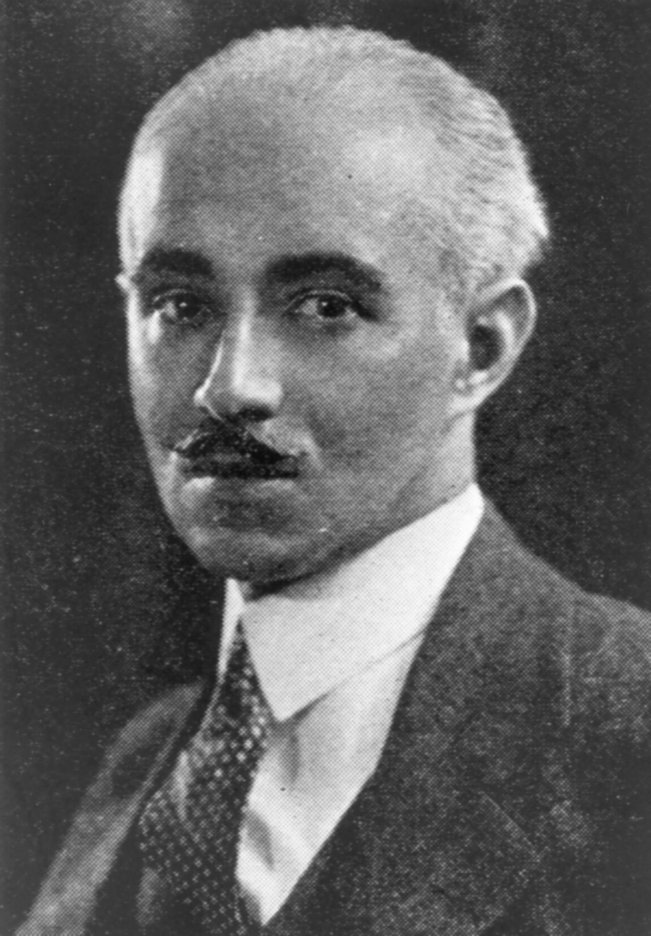
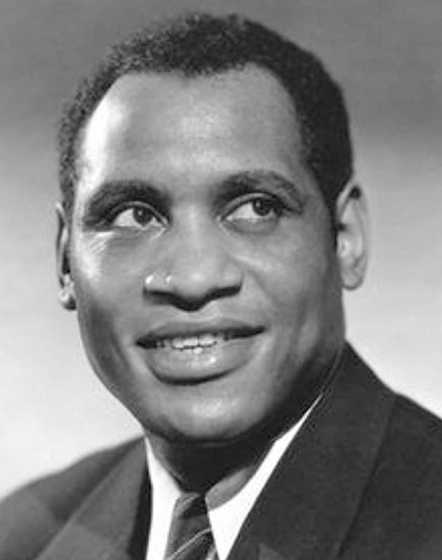
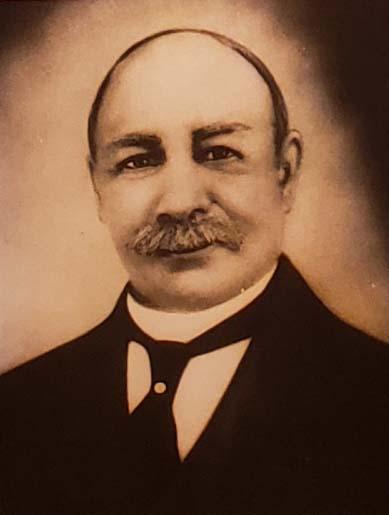
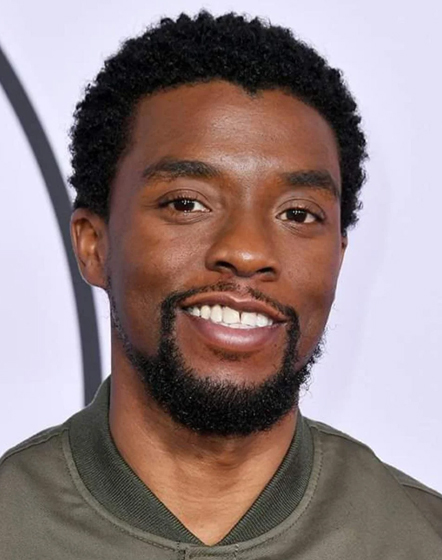
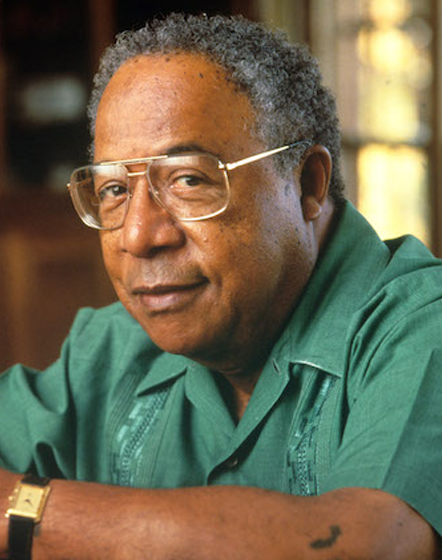
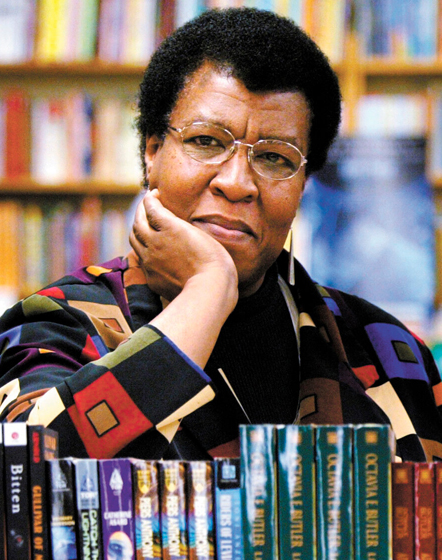
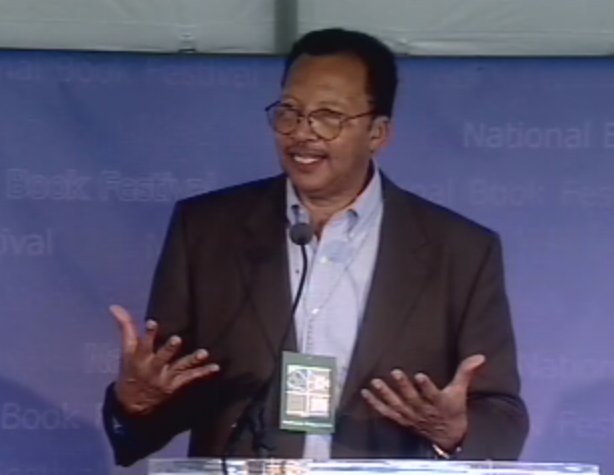
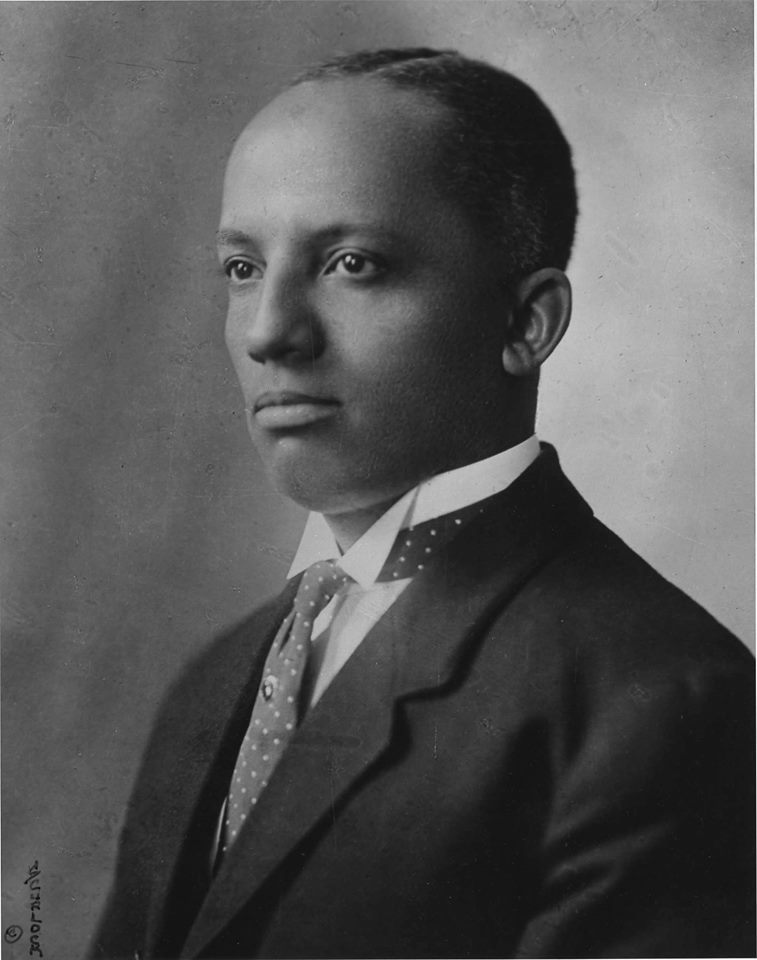
The concept of Black History Month began in 1926, when African American historian and scholar Carter G. Woodson proposed the idea as a way to recognize the accomplishments of African Americans and to inspire them to strive for further accomplishments. In 1976, President Gerald Ford officially declared February as Black History Month in order to remind the United States of its’ rich and varied past. Today, Black History Month is celebrated all around the world and is an opportunity to celebrate the many contributions African Americans have made to history, culture, and society. An emphasis is placed on the shared history of African descendant people from across the diaspora, making it a special time to remember the past and foster a sense of pride and community.
References
Smith, J. C. (2020). Black History Month. The American Mosaic: The African American Experience. Retrieved December 29, 2020, from https://africanamerican-abc-clio-com.pgcmls.idm.oclc.org/Search/Display/1515150
Brown, K. B. (2020, July 26). The Founders of Black History Month: Our History. Retrieved December 29, 2020, from https://asalh.org/about-us/our-history/
Upcoming Events
Black Heritage Timeline
1619
The first African American indentured servants arrive in the American colonies. Less than a decade later, the first slaves are brought into New Amsterdam (later, New York City). By 1690, every colony has slaves.
1739
The Stono Rebellion, one of the earliest slave revolts, occurs in Stono, South Carolina.
1793
Eli Whitney’s (1765 – 1825) cotton gin increases the need for slaves.
1808
Congress bans further importation of slaves.
1831
In Boston, William Lloyd Garrison (1805 – 1879) begins publication of the anti-slavery newspaper the Liberator and becomes a leading voice in the Abolitionist movement.
1831-1861
Approximately 75,000 slaves escape to the North using the Underground Railroad.
1846
Ex-slave Frederick Douglass (1818 – 1895) publishes the anti-slavery North Star newspaper.
1849
Harriet Tubman (c. 1820 – 1913) escapes from slavery and becomes an instrumental leader of the Underground Railroad.
1850
Congress passes another Fugitive Slave Act, which mandates government participation in the capture of escaped slaves.
Boston citizens, including some of the wealthiest, storm a federal courthouse in an attempt to free escaped Virginia slave Anthony Burns (1834 – 1862).
1857
The Dred Scott v. Sanford case: congress does not have the right to ban slavery in the states; slaves are not citizens.
1860
Abraham Lincoln (1809 – 1865) is elected president, angering the southern states.
1861
The Civil War begins.
1863
Abraham Lincoln’s Emancipation Proclamation proclaims that all slaves in rebellious territories are forever free.
1863
Massachusetts 54th regiment of African American troops led by Colonel Robert Gould Shaw (1837 – 1863) marches out of Boston on May 28th, heading into combat.
1865
The Civil War ends.
Lincoln is assassinated.
The 13th Amendment to the Constitution, prohibiting slavery, is ratified.
The era of Reconstruction begins.
1866
The “Black Codes” are passed by all white legislators of the former Confederate States.
Congress passes the Civil Rights Act, conferring citizenship on African Americans and granting them equal rights to whites.
The Ku Klux Klan is formed in Tennessee.
1868
The 14th Amendment is ratified, defining citizenship. This overturns the Dred Scott decision.
1870
The 15th Amendment is ratified, giving African Americans the right to vote.
1877
The era of Reconstruction ends.
A deal is made with southern democratic leaders which makes Rutherford B. Hayes (1822 – 1893) president in exchange for the withdrawal of federal troops from the South, and puts an end to efforts to protect the civil rights of African Americans.
1879
Thousands of African Americans migrate out of the South to escape oppression.
1881
Tennessee passes the first of the “Jim Crow” segregation laws, segregating state railroads.
Similar laws are passed over the next 15 years throughout the Southern states.
1896
Plessy v. Ferguson case: racial segregation is ruled constitutional by the Supreme Court.
The “Jim Crow” (“separate but equal”) laws begin, barring African Americans from equal access to public facilities.
1954
Brown v. Board of Education case: strikes down segregation as unconstitutional.
1955
In Montgomery, Alabama, Rosa Parks (1913 – 2005) is arrested for breaking a city ordinance by refusing to give up her seat on a public bus to a white man. This defiant act gives initial momentum to the Civil Rights Movement.
1957
Martin Luther King, Jr. (1929 – 1968) and others set up the Southern Christian Leadership Conference, a leading engine of the Civil Rights Movement.
1964
The Civil Rights Act is signed, prohibiting discrimination of all kinds.
1965
The Voting Rights Act is passed, outlawing the practices used in the South to disenfranchise African American voters.
1967
Edward W. Brooke (1919 - 2015) becomes the first African American U.S. Senator since Reconstruction. He serves two terms as a Senator from Massachusetts.
1968
Martin Luther King, Jr. is assassinated in Memphis, Tennessee.
1967
The PGCMLS Oxon Hill Library opens, including the Sojourner Truth African American Research Collection in Oxon Hill, Maryland.
1968
President Lyndon Johnson (1908 - 1973) signs the Civil Rights Act of 1968 prohibiting housing discrimination.
1968
Arthur Ashe (1943 - 1993) becomes the first African American man to win the U.S. Open.
1968
Tommie Smith and John Carlos raise a black-gloved fist during the playing of the U.S. national anthem at the Olympics in Mexico.
1969
Shirley Chisholm (1924 - 2005) is sworn in as the first Black woman elected to Congress.
1969
Guitarist Jimi Hendrix headlines the Woodstock Music Festival in upstate New York.
Late 60s-Early 70s
Rise of the Black Power Movement
1972
Shirley Chisholm becomes the first Black woman to campaign for a major party presidential nomination.
1973
Civil rights activist Marian Wright Edelman establishes The Children’s Defense Fund.
1974
Baseball player Hank Aaron (1934 - 2021) of Atlanta Braves hits his 715th career home run.
1976
President Gerald Ford (1913 - 2006) officially recognizes Black History Month, calling upon the public to “seize the opportunity to honor the too-often neglected accomplishments of Black Americans in every area of endeavor throughout our history.”
1977
Based on the Alex Haley novel, the miniseries “Roots” airs its finale, which is watched by 36 million households.
1983
Colonel Guion Bluford, Jr. (1942 - ) becomes the first African American to go to space as part of the Challenger Space Shuttle crew.
1983
Vanessa Williams (1963 - ) is crowned the first Black Miss America.
1984
Jesse Jackson (1941 - ) becomes the second African American to mount a U.S. presidential candidacy.
1986
The first federal holiday for Martin Luther King, Jr. Day is observed on the third Monday in January.
1986
Oprah Winfrey (1954 - ) launches a syndicated talk show. It later became the highest-rated talk show in history.
1989
Douglas Wilder (1931 - ) becomes the first African American to be elected governor of a state (Virginia).
1992
Four white Los Angeles police officers are acquitted of beating African American Rodney King (1965 - 2012). The verdict led to five days of riots in Los Angeles.
1992
Engineer and physician Mae Jemison (1956 - ) becomes the first Black woman to go to space as part of the Space Shuttle Endeavour crew.
1993
Toni Morrison (1931 - 2019) is awarded the Nobel Prize in Literature, the first Black woman to earn the honor.
1993
Carol Moseley Braun (1947 - ) becomes the first Black woman, and only the second African American, to be elected to the US Senate.
1995
Black men rally on the National Mall in Washington, D.C. for the Million Man March.
1997
Black women gather for the Million Woman March in Philadelphia.
2001
Colin Powell (1937 - 2021) is appointed the first Black secretary of state.
2005
Condoleezza Rice (1954 - ) takes office as the first Black woman secretary of state.
2008
Barack Obama (1961 - ) becomes the first African American to win the U.S. presidential race.
2012
The death of Black high school student Trayvon Martin (1995 - 2012) and the acquittal of George Zimmerman (1983 - ) spark nationwide protests and the hashtag #BlackLivesMatter.
2014
In Ferguson, Missouri, unarmed Black teen Michael Brown (1996 - 2014) is shot dead by white police officer Darren Wilson (1986 - ), resulting in weeks of protests.
2016
The National Museum of African American History and Culture opens as the newest Smithsonian Institution Museum in Washington, DC.
2016
Quarterback Colin Kaeperick (1987 - ) takes a knee during the national anthem before a football game to protest police brutality.
2017
Amanda Gorman (1998 - ) becomes the first National Youth Poet Laureate.
2020
Three unarmed African Americans are fatally killed. On February 23, Ahmaud Arbery in Georgia; on March 13, Breonna Taylor in Kentucky; and on May 25, George Floyd in Minnesota. The killings also resulted in nationwide and global demonstrations supporting the Black Lives Matter movement, as well as changes to federal and state policing laws.
2021
Kamala Harris (1964 - ) becomes the first Black and South Asian woman elected Vice-President of the United States.
2021
June 19 is the first celebration of Juneteenth as a U.S. federal holiday, which commemorates the emancipation of African American slaves.
2022
Los Angeles County returned to the heirs of Charles and Willa Bruce the $20 million Manhattan Beach property that was wrongfully seized from the African American couple by an act of racism in 1924.
2023
60th Anniversary of the March on Washington is held in DC to call for action on issues such as voting rights and student debt cancellation.
2023
Simone Biles became the most decorated gymnast of all time by earning an additional 4 gold medals (for a career total of 37) at the World Artistic Gymnastic Championships in Belgium.
2023
60th Anniversary of the March on Washington is held in DC to call for action on issues such as voting rights and student debt cancellation.
2023
Wes Moore inaugurated as Maryland’s first Black governor. He is the third African American elected governor in US history.
2023
Hakeem Jeffries became leader of the US House of Representatives Democrats, making him the first African American to lead a party in either chamber of the United States Congress.
2024
As the Democratic Party candidate, Kamala Harris becomes the first black woman to secure a major political party’s nomination for President of the United States.
2025
Angela Alsobrooks is Maryland’s first Black U.S. Senator, and the third Black woman ever elected to the Senate.
Work Cited:
Online Resources
This online community is dedicated to training and sharing resources for researching African American Genealogy. It's a good entry point if you're starting out and are interested in the basics.
Contains millions of records from The United States Bureau of Refugees, Freedmen, and Abandoned Lands between 1865 -1872. Records contain names of people across the United States including formerly enslaved African Americans, those who were free before the Civil War, white southerners, northern educators, elected officials, and more.
Genealogy research tool that provides patrons access to a wide range of primary resources for genealogical and historical research. Includes records from the United States Census; military records; court, land and probate records; vital and church records; directories; and much more. Available only to users in PGCMLS branches; no remote access.
The Sojourner Truth Room is located at the Oxon Hill Branch. Most materials are available in the Sojourner Truth Room only; copies of selected materials are also available in the library's catalog. A library card or other identification is necessary for accessing some materials. A scanner and photocopy machine are available.
Stream thousands of films for free, thanks to the generous support of your public library or university.
OverDrive offers thousands of downloadable audiobooks and eBooks, all free with your Prince George's County Memorial Library System library card. There is a limit of 10 items per customer, checked out at any time.
Online Exhibits
International African American MuseumNational Museum of African American History and Culture Celebrates 50 Year of Hip HopExplore the history, arts and culture of Black experience in the United StatesSarah Bond: A Legacy of Quilt Making Afrofuturism: A History of Black Futures Afrofuturism and Black Literature Emancipation and Educating the Newly Freed (The creation of HBCU’s) From Where I Stand: The Black Experience in Country Music Photos from the Civil Rights Movementent Portraits of African-Americans Pictorial History of Black History Month at the Oxon Hill Library
Videos
National Museum of African American History and Culture Celebrates 50 Year of Hip-Hop
A celebration of 50 years of Hip-Hop including live performances, interviews, panel discussions, and more.
Crash Course: Black American History (51 videos in the playlist)
Over the course of 51 episodes, learn about Black American History. Clint Smith will teach you about the experience of Black people in America, from the arrival of the first enslaved Black people who arrived at Jamestown all the way to the Black Lives Matter movement.
Black Excellist: 10 Trailblazing Black Visual Artists
African American artists have helped shape the visual culture of the United States by working outside of the convention of their respective fields while defying discrimination and professional stereotypes. Often channeling their familial backgrounds and personal experiences in their work, these creative figures have influenced and inspired much of American art's evolution. Collectively, their bodies of work should not only be seen as a narrative of the African American experience of their time, but also a powerful expression of cultural protest.
The Breathtaking Courage of Harriet Tubman - Janell Hobson
Take a closer look at the life of escaped slave and American icon Harriet Tubman, who liberated over 700 enslaved people using the Underground Railroad.
An Unsung Hero of the Civil Rights Movement - Christina Greer
Learn about the life of Bayard Rustin, a leader in the Civil Rights Movement, a gay rights activist, and one of Martin Luther King’s closest advisors.
The Electrifying Speeches of Sojourner Truth - Daina Ramey Berry
Get to know the story of Sojourner Truth, a woman born into slavery who became known as a powerful orator and outspoken activist.
How One Journalist Risked Her Life to Hold Murderers Accountable - Christina Greer
In the late 1800’s, lynchings were happening all over the American South, often without any investigation or consequences for the murderers. A young journalist set out to expose the truth about these killings. Her reports shocked the nation, launched her journalism career and a lifelong pursuit of civil rights. Christina Greer details the life of Ida B. Wells and her tireless struggle for justice.
Why should You Read Sci-fi Superstar Octavia E. Butler? - Ayana Jamieson and Moya Bailey
Explore the works of science fiction visionary Octavia E. Butler, whose novels, such as “Parable of the Sower,” influenced the growing popularity of Afrofuturism.
The Birth of Hip Hop
In 1973, DJ Kool Herc set up his turntables and introduced a technique at a South Bronx house party that would change music as many people knew it. His ability to switch from record to record — as well as isolate and repeat music breaks — led to the discovery of the hip hop genre.
What Black Lives Matter Means to an 11-year-old
In June of 2020,11-year-old Californian Jolia Bossette decided to use her fifth-grade graduation speech as an occasion to give voice to her thoughts and feelings. In her speech, she reminisced about how she was "the cutest thing," as a toddler and asked, "But when did I stop being cute and start being scary?"
Why All Americans Should Honor Juneteenth
In Texas and across the country, emancipated African Americans began celebrating annually, with parades, concerts, and picnics. “Being able to go wherever they want and being able to wander about; for enslaved people, it was an expression of their freedom,” says Hill. “Formerly enslaved people celebrating, in public, their newfound freedom, was an act of resistance.”
Afrofuturism Mixes Sci-fi and Social Justice. Here’s How it Works.
Black people are rarely featured in sci-fi and fantasy films — that is, unless that black person is Will Smith. How do black people get to exist in the future? Afrofuturism, a scholarly and artistic movement that imagines the future through black people’s experiences is one answer. The term was coined in 1994 by culture critic Mark Dery in his "Black to the Future" essay.
The First Underground Railroad
The Underground Railroad for many of us symbolizes the journey African slaves went on in the name of freedom. But, contrary to popular belief, the first path wasn’t south to north. Instead, it was north to south.
Marcus Garvey: Leader of a Revolutionary Global Movement
Marcus Garvey was born in Jamaica and experienced the impacts of colonization at the hands of the British. As a result, he developed a passion for improving race relations and launched a Black Nationalism movement that would seek to elevate black people throughout the world.
Henrietta Lacks: The Woman With the Immortal Cells
In this episode of Black History In Two Minutes or So hosted by Henry Louis Gates Jr., with additional commentary from Hasan Jeffries of Ohio State University, we explore how the morally questionable obtaining of Henrietta Lack’s cells led to medical advancements we still receive benefits from today.
Genealogical News
An Air Force veteran named Fred Miller wanted a new house for large family gatherings; he ended up getting an incredible link to his family’s past. The home he bought was actually the plantation his enslaved ancestors worked on for generations in Southern Virginia.
The Lost Neighborhood Under New York's Central Park
In the Vox series Missing Chapter, Vox Senior Producer Ranjani Chakraborty revisits underreported and often overlooked moments from the past to give context to the present. Join her as she covers the histories that are often left out of our textbooks. Our first season tackles stories of racial injustice, political conflicts, even the hidden history of US medical experimentation.
Notes of a Native Son: The World According to James Baldwin - Christina Greer
In the 1960s, the FBI amassed almost 2,000 documents in an investigation into one of America’s most celebrated minds. The subject of this inquiry was a writer named James Baldwin, one of the best-selling black authors in the world at the time. What made him loom so large in the imaginations of both the public and the authorities? Christina Greer explores the life and works of James Baldwin.
The Most Feared Song in jazz, Explained
John Coltrane, one of jazz history’s most revered saxophonists, released “Giant Steps” in 1959. It’s known across the jazz world as one of the most challenging compositions to improvise over for two reasons - it’s fast and it’s in three keys. Braxton Cook and Adam Neely give me a crash course in music theory to help me understand this notoriously difficult song, and I’m bringing you along for the ride. Even if you don’t understand a lick of music theory, you’ll likely walk away with an appreciation for this musical puzzle.
Aretha Franklin’s Musical Genius in 2 Songs
Aretha Franklin will always be the Queen of Soul. In the 1960s songs like “Respect” became the symbol for political and social change. It’s likely the reason her music moved so many people wasn’t necessarily the lyrics, but the way she delivered them.
Obama's 2008 Election
During the 2004 Democratic National Convention, a first-term senator named Barack Obama from Illinois delivered a speech that exuded excitement, charisma and spark. Four years later, he found himself on that same platform as he launched his campaign to become the president of the United States.